


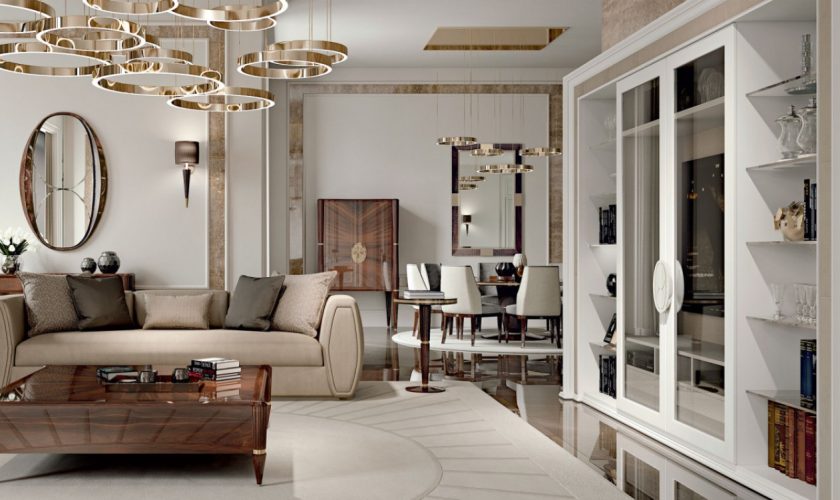
Modern furniture has evolved far beyond simple clean lines and neutral colors. Today’s contemporary homes reflect a blend of functionality, personality, and sustainability, creating spaces that feel intentional yet lived-in. Whether you’re redesigning a single room or furnishing an entire home, understanding current furniture trends can help you make choices that remain stylish and practical for years.
Emphasis on Minimalism With Warmth
Minimalism continues to dominate modern interiors, but it has shifted toward a softer, more inviting aesthetic. Instead of stark, cold spaces, contemporary homes now focus on clean silhouettes paired with warm textures.
Key characteristics include:
-
Low-profile sofas and streamlined chairs
-
Neutral palettes enhanced with earthy tones
-
Natural materials like wood, leather, and stone
This approach balances simplicity with comfort, making rooms feel calm without appearing sterile.
Multifunctional Furniture for Smart Living
As homes become more dynamic, furniture is expected to do more than one job. Multifunctional designs are especially popular in urban and smaller living spaces.
Common examples:
-
Sofas that convert into beds
-
Coffee tables with hidden storage
-
Modular shelving systems that adapt over time
These pieces help homeowners maximize space while maintaining a modern, uncluttered look.
Sustainable and Eco-Conscious Choices
Sustainability is no longer a niche preference—it’s a defining feature of modern furniture trends. Homeowners are increasingly drawn to pieces that reflect environmental responsibility without sacrificing design.
Popular sustainable elements include:
-
Reclaimed or responsibly sourced wood
-
Furniture made with recycled metals or fabrics
-
Low-VOC finishes and natural upholstery materials
Beyond eco-benefits, these choices often bring unique textures and character into contemporary interiors.
Bold Shapes and Sculptural Designs
While minimalism sets the foundation, bold furniture pieces are being used as focal points. Sculptural forms add visual interest and artistic flair to modern homes.
Design elements gaining popularity:
-
Curved sofas and rounded armchairs
-
Asymmetrical tables and shelving
-
Statement lighting paired with expressive furniture
These designs blur the line between furniture and art, allowing homeowners to express individuality.
Mixing Textures and Materials
Modern furniture trends encourage thoughtful contrast. Instead of matching everything, designers now blend different materials to create depth and dimension.
Common material combinations:
-
Wood with metal accents
-
Glass paired with stone or marble
-
Soft fabrics contrasted with matte or polished finishes
This layering effect keeps contemporary spaces visually engaging while remaining cohesive.
Technology-Integrated Furniture
Technology is seamlessly finding its way into modern furniture design. Rather than appearing futuristic or intrusive, tech features are now subtly integrated.
Examples include:
-
Beds with built-in charging ports
-
Desks designed for cable management
-
Smart tables with wireless charging surfaces
These innovations support modern lifestyles without disrupting the clean aesthetic of contemporary homes.
Personalization Over Perfection
Modern furniture trends are moving away from showroom-perfect interiors. Instead, there’s a growing appreciation for spaces that feel curated and personal.
Homeowners are embracing:
-
Custom or made-to-order furniture
-
Vintage pieces mixed with modern designs
-
Furniture that reflects lifestyle rather than strict trends
This shift allows contemporary homes to feel authentic, comfortable, and uniquely human.
Frequently Asked Questions
What defines modern furniture in contemporary homes?
Modern furniture is defined by clean lines, functional design, and minimal ornamentation, often paired with natural materials and thoughtful details.
Is modern furniture suitable for small spaces?
Yes, modern furniture often emphasizes multifunctional and space-saving designs, making it ideal for apartments and compact homes.
Can modern furniture feel warm and cozy?
Absolutely. By incorporating soft textures, warm wood tones, and layered lighting, modern furniture can feel both stylish and inviting.
How do I mix modern furniture with existing décor?
Focus on balance. Pair modern pieces with neutral colors, and use textures or accent items to bridge old and new styles.
Are bold furniture pieces risky in contemporary homes?
Not if used intentionally. One or two statement pieces can elevate a space without overwhelming it.
What materials last longest in modern furniture?
Solid wood, high-quality metals, and durable upholstery fabrics tend to offer the best longevity when properly maintained.
How often do modern furniture trends change?
Core principles stay consistent, but details like shapes, materials, and colors evolve every few years, allowing flexibility without frequent replacements.


