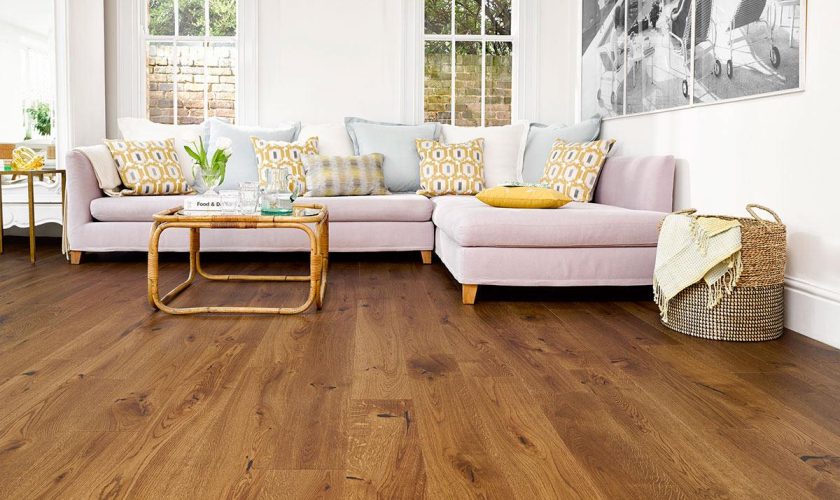
close

November 2025

Flooring

Flooring: A Practical Guide to Choosing the Right Surface for Your Space

Flooring is more than a surface you walk on—it sets the tone of a room, influences comfort, and affects long-term maintenance costs. Whether you’re building new or renovating, the right flooring choice balances durability, style, and budget while fitting how you actually live.

Why Flooring Choice Matters

The floor is one of the most used elements in any building. A smart choice can improve resale value, reduce upkeep, and make daily life easier.

Key factors flooring impacts:

  • Aesthetics: Color, texture, and pattern define the room’s mood

  • Comfort: Warmth underfoot, sound absorption, and softness

  • Durability: Resistance to scratches, moisture, and wear

  • Maintenance: Cleaning effort and long-term care

  • Cost: Installation plus lifetime ownership costs

Common Types of Flooring

Each flooring type has strengths and trade-offs. Understanding them helps avoid costly mistakes later.

Hardwood Flooring

Hardwood remains a classic for a reason. It offers natural beauty and can last decades when properly maintained.

Pros

  • Timeless appearance

  • Can be refinished multiple times

  • Boosts property value

Cons

  • Sensitive to moisture

  • Higher upfront cost

  • Can scratch under heavy use

Laminate Flooring

Laminate mimics wood or stone while being more budget-friendly.

Pros

  • Affordable

  • Easy to install

  • Scratch-resistant surface

Cons

  • Cannot be refinished

  • Less authentic look up close

  • Moisture can damage seams

Vinyl Flooring (LVP & LVT)

Luxury Vinyl Plank (LVP) and Luxury Vinyl Tile (LVT) are popular for modern homes.

Pros

  • Water-resistant or waterproof

  • Comfortable underfoot

  • Wide range of designs

Cons

  • Can fade under direct sunlight

  • Lower resale value than hardwood

Tile Flooring

Tile is a go-to choice for wet areas and high-traffic zones.

Pros

  • Extremely durable

  • Water and stain resistant

  • Ideal for kitchens and bathrooms

Cons

  • Cold and hard underfoot

  • Grout requires maintenance

Carpet Flooring

Carpet prioritizes comfort and warmth.

Pros

  • Soft and quiet

  • Great insulation

  • Wide color choices

Cons

  • Stains easily

  • Traps dust and allergens

  • Shorter lifespan

Engineered Wood Flooring

Engineered wood combines real wood veneer with a layered core.

Pros

  • More moisture-resistant than solid wood

  • Real wood appearance

  • Suitable for basements

Cons

  • Limited refinishing options

  • Mid-to-high price range

How to Choose the Right Flooring

Choosing flooring isn’t just about looks. Match the material to the room’s function.

Consider these questions:

  • Is the area exposed to moisture?

  • How much foot traffic will it get?

  • Do you have pets or kids?

  • Is sound control important?

  • What’s your realistic maintenance tolerance?

Room-by-Room Recommendations

  • Living Rooms: Hardwood, laminate, or LVP

  • Bedrooms: Carpet or engineered wood

  • Kitchens: Tile or waterproof vinyl

  • Bathrooms: Tile or waterproof vinyl

  • Basements: Engineered wood or vinyl

Installation and Maintenance Basics

Proper installation extends flooring life just as much as material choice.

Installation tips

  • Always prepare and level the subfloor

  • Acclimate materials before installation

  • Use professional installers for complex layouts

Maintenance essentials

  • Sweep or vacuum regularly

  • Clean spills immediately

  • Use furniture pads to prevent scratches

Sustainability and Eco-Friendly Flooring

If sustainability matters to you, several options reduce environmental impact:

  • Bamboo flooring

  • Cork flooring

  • Reclaimed hardwood

  • Low-VOC vinyl and finishes

These choices can improve indoor air quality while supporting responsible sourcing.

FAQs About Flooring

1. What flooring lasts the longest in a home?

Tile and properly maintained hardwood often have the longest lifespans, sometimes exceeding 30 years.

2. Is vinyl flooring suitable for resale value?

Vinyl is practical and attractive, but it typically adds less resale value than real wood or tile.

3. Can flooring be installed over existing floors?

In many cases, yes—especially with laminate or vinyl—but subfloor condition is critical.

4. Which flooring is best for people with allergies?

Hard surfaces like tile, vinyl, or hardwood are better since they don’t trap allergens.

5. How often should flooring be replaced?

It depends on the material and use, ranging from 10 years for carpet to 30+ years for tile or wood.

6. Does underlayment really matter?

Yes. Underlayment improves comfort, sound control, and moisture protection.

7. What flooring works best with radiant heating?

Tile and engineered wood perform best with radiant heat systems.
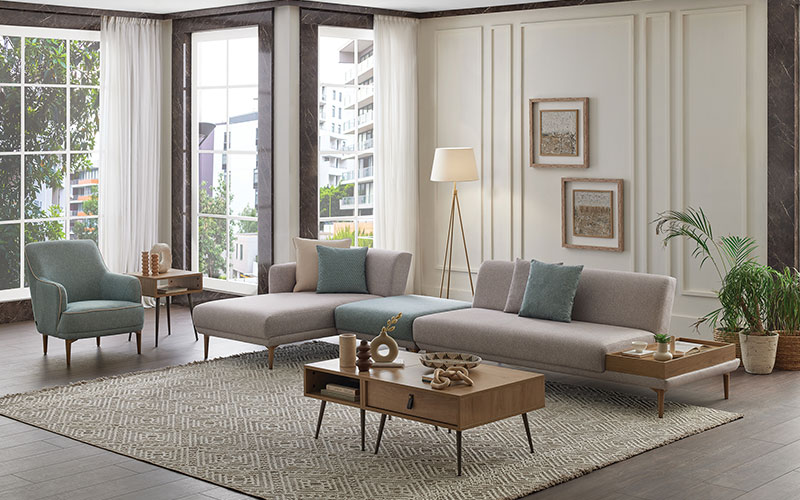
read more
Decor Tips

Color Palette Ideas for Harmonious Homes

Creating a harmonious home starts with the right color palette. Colors influence mood, perception of space, and even how connected a home feels. When thoughtfully combined, they bring balance, comfort, and personality into every room. Below are practical and timeless color palette ideas that help you design interiors that feel cohesive rather than chaotic.

Understanding Harmony in Home Colors

Color harmony is about visual balance. It doesn’t mean using one color everywhere—it means selecting shades that naturally work together.

Key principles of harmonious color design include:

  • Consistency across spaces without making rooms feel repetitive
  • Balanced contrast to avoid dullness or visual overload
  • Purpose-driven colors based on room function and lighting

A harmonious palette often blends a dominant color, a secondary support shade, and a subtle accent.

Neutral Color Palettes for Timeless Balance

Neutral palettes are the backbone of many harmonious homes. They create a calm foundation and adapt easily to changing décor trends.

Popular neutral combinations include:

  • Warm beige + soft white + muted taupe
  • Light gray + ivory + charcoal accents
  • Greige (gray-beige) + cream + natural wood tones

Neutrals are especially effective in open-plan homes, helping multiple rooms flow together seamlessly.

Warm Color Palettes for Cozy Living Spaces

Warm colors make spaces feel inviting and grounded. They work beautifully in areas meant for relaxation and socializing.

Effective warm palette ideas:

  • Terracotta + sand + soft clay
  • Muted mustard + warm white + walnut brown
  • Soft blush + cream + copper accents

These palettes enhance comfort, especially in living rooms, dining spaces, and bedrooms.

Cool Color Palettes for Calm and Clarity

Cool colors bring a sense of freshness and tranquility. They’re ideal for spaces where focus and calm matter most.

Balanced cool combinations include:

  • Soft blue + pale gray + crisp white
  • Sage green + off-white + light oak
  • Muted teal + stone gray + brushed metal accents

Cool palettes are excellent for home offices, bathrooms, and minimalist interiors.

Earth-Inspired Palettes for Natural Harmony

Earth tones connect interiors with the outdoors, promoting warmth and stability without overwhelming the senses.

Common earth-tone mixes:

  • Olive green + clay brown + linen white
  • Stone gray + sand + weathered wood
  • Rust + muted green + soft beige

These palettes shine in homes that emphasize natural materials, plants, and organic textures.

Using Accent Colors Without Disrupting Balance

Accent colors add personality, but restraint is key to maintaining harmony.

Best practices for accents:

  • Use accents in small doses (pillows, art, rugs)
  • Choose shades already present in adjacent rooms
  • Keep accents slightly muted, not overly saturated

Popular accent choices include navy, forest green, burnt orange, and deep plum.

Creating Flow Between Rooms

A harmonious home feels connected, even when rooms serve different purposes.

To maintain flow:

  • Repeat one core color throughout the home
  • Shift shade intensity, not hue, between rooms
  • Use similar undertones (warm or cool) across palettes

This approach allows variety while preserving unity.

FAQs

What is the best color palette for a small home?

Light neutrals paired with soft accents work best, as they reflect light and make spaces feel larger and more open.

How many colors should a harmonious palette include?

Most balanced palettes use three to five colors, including neutrals and accents.

Can warm and cool colors be mixed in one home?

Yes, as long as there is a unifying neutral or consistent undertone to tie them together.

How do I choose colors based on natural light?

Rooms with limited sunlight benefit from warmer tones, while bright rooms can handle cooler shades comfortably.

Are bold colors bad for harmonious interiors?

Not at all. Bold colors work well when used intentionally and balanced with calmer supporting tones.

Should ceilings and walls always match?

No. Slightly lighter ceilings often enhance height and openness without breaking harmony.

How often should a home color palette be updated?

A strong base palette can last for years. Updating accents every season keeps the space feeling fresh without repainting.

read more