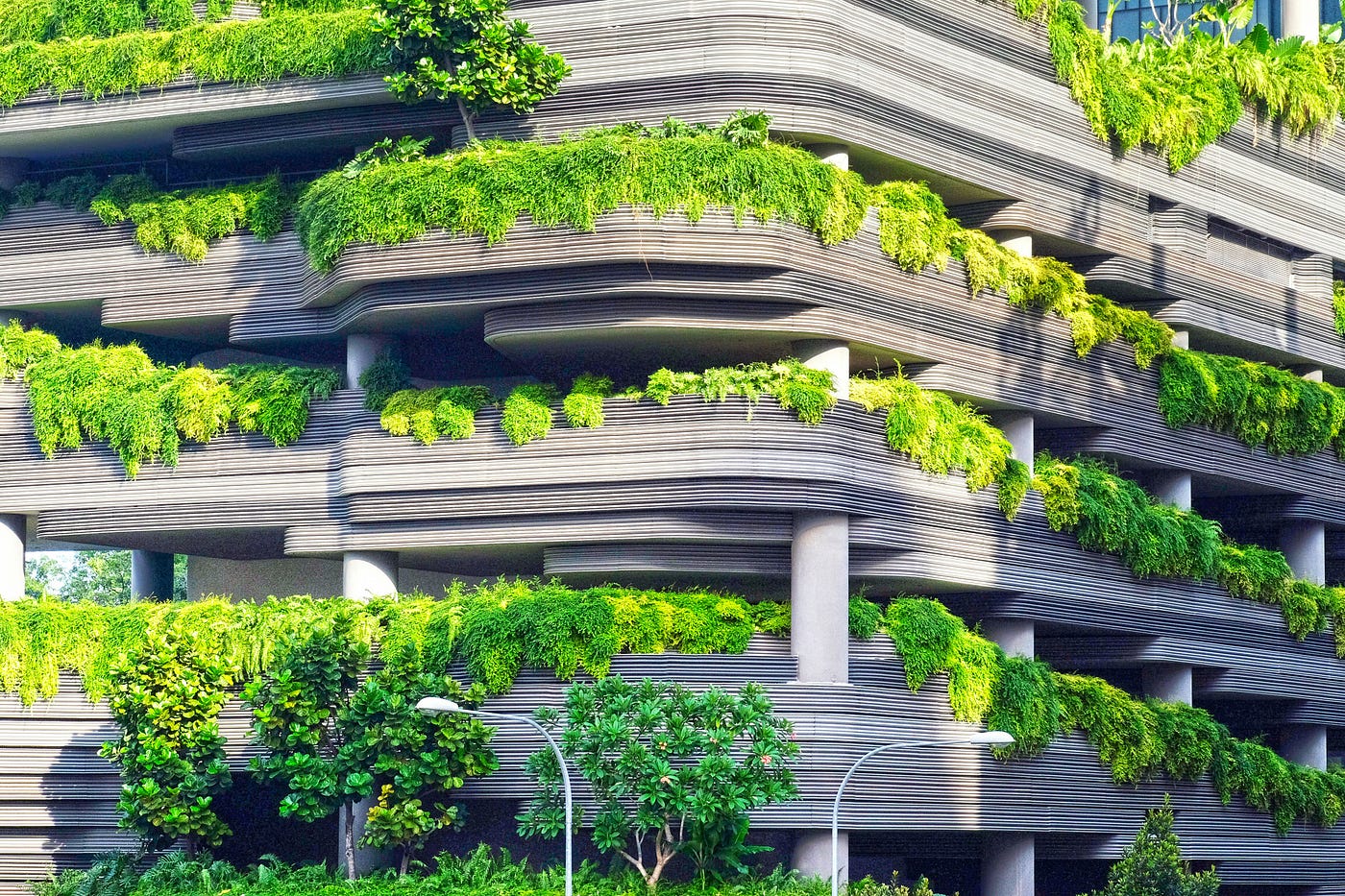
Climate-responsive architecture is about designing buildings that work with local climate conditions rather than against them. As energy costs rise and climate variability intensifies, architects and planners are increasingly focused on solutions that reduce environmental impact while improving comfort, durability, and performance. This approach blends traditional wisdom with modern technology to create spaces that are efficient, resilient, and human-centered.
Understanding Climate-Responsive Design
Climate-responsive design tailors architectural decisions to temperature patterns, humidity, wind, rainfall, and solar exposure specific to a location. Instead of relying heavily on mechanical heating and cooling, buildings are shaped, oriented, and constructed to naturally regulate indoor conditions.
Key goals include:
-
Minimizing energy consumption
-
Enhancing thermal and visual comfort
-
Reducing carbon emissions
-
Increasing building longevity
This philosophy treats climate as a design partner, not a problem to overcome.
Site Analysis and Building Orientation
One of the most influential decisions in climate-responsive architecture happens before construction begins.
Effective site planning considers:
-
Solar path to maximize winter heat and reduce summer gain
-
Prevailing winds for natural ventilation
-
Topography and vegetation to manage heat, shade, and water flow
Proper orientation alone can significantly reduce energy demand, especially in extreme climates.
Passive Design Strategies
Passive design forms the backbone of climate-responsive architecture. These strategies operate without mechanical systems, relying instead on physics and material behavior.
Thermal Mass and Insulation
Materials like concrete, brick, and stone can store heat during the day and release it at night, stabilizing indoor temperatures. When combined with high-quality insulation, thermal mass reduces the need for artificial heating and cooling.
Natural Ventilation
Cross-ventilation, stack ventilation, and operable windows use air pressure and temperature differences to keep interiors cool and fresh. This is particularly effective in warm and temperate climates.
Solar Control and Shading
Well-designed shading devices such as:
-
Overhangs
-
Louvers
-
Screens and pergolas
help block high-angle summer sun while allowing lower winter sun to enter, balancing daylight and heat gain.
Climate-Appropriate Building Materials
Material choice has a direct impact on thermal performance and environmental footprint.
Climate-responsive material selection focuses on:
-
Local availability to reduce transportation emissions
-
Low embodied energy materials
-
Moisture resistance in humid regions
-
High reflectivity in hot climates to reduce heat absorption
Using regionally suited materials often improves both sustainability and cultural relevance.
Integrating Landscape and Water Elements
Landscape design plays a critical role in moderating microclimates around buildings.
Effective strategies include:
-
Deciduous trees for seasonal shading
-
Green roofs and walls to reduce heat islands
-
Water bodies for evaporative cooling in dry climates
These elements don’t just improve performance; they enhance well-being and visual quality.
Technology-Enhanced Climate Responsiveness
While passive strategies come first, smart technologies refine performance.
Examples include:
-
Adaptive façades that respond to sunlight and temperature
-
Building management systems optimizing energy use in real time
-
High-performance glazing with low heat transfer
When technology supports, rather than replaces, passive principles, buildings become both efficient and resilient.
Learning from Vernacular Architecture
Traditional architecture often evolved through centuries of climate adaptation. Courtyards, thick walls, narrow streets, and elevated structures are not stylistic accidents but responses to environmental realities.
Modern climate-responsive design frequently reinterprets these ideas, combining time-tested concepts with contemporary needs and standards.
Benefits Beyond Energy Efficiency
Climate-responsive architecture offers advantages that extend well beyond reduced utility bills.
Key benefits include:
-
Improved indoor air quality
-
Enhanced occupant comfort and productivity
-
Lower maintenance costs
-
Greater resilience to climate extremes
These outcomes make climate-responsive design not just an environmental choice, but a long-term economic and social investment.
Conclusion
Climate-responsive architectural design represents a shift from reactive to adaptive thinking. By aligning buildings with their environmental context, architects can create spaces that are comfortable, efficient, and sustainable by design. As climate challenges grow more complex, these strategies are no longer optional—they are essential.
Frequently Asked Questions (FAQs)
1. How does climate-responsive architecture differ from green building design?
Climate-responsive design focuses specifically on local climate adaptation, while green building encompasses broader sustainability metrics such as materials, water use, and certifications.
2. Is climate-responsive design suitable for urban environments?
Yes, with careful planning, strategies like shading, natural ventilation, and green roofs can be effectively applied even in dense urban settings.
3. Does climate-responsive architecture increase construction costs?
Initial costs may be slightly higher, but long-term savings from reduced energy use and maintenance typically outweigh the upfront investment.
4. Can existing buildings be retrofitted to become climate-responsive?
Many strategies, such as improved insulation, shading devices, and ventilation upgrades, can be applied during renovations.
5. How does climate-responsive design handle extreme weather events?
By improving thermal stability, natural ventilation, and material durability, these buildings often perform better during heatwaves, cold snaps, and power outages.
6. What role does climate data play in the design process?
Accurate climate data informs decisions on orientation, materials, shading, and ventilation, making it a foundational element of the design process.
7. Are climate-responsive buildings dependent on occupant behavior?
Occupant interaction, such as opening windows or adjusting shading, can enhance performance, but well-designed buildings remain effective even with minimal user input.


