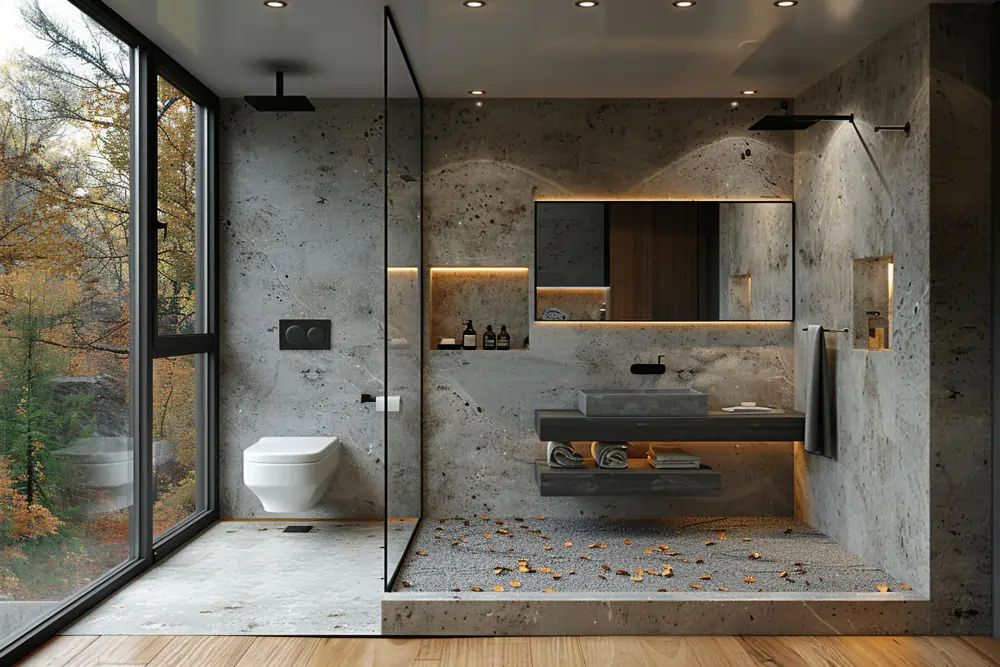
A bathroom is far more than a utilitarian room. It’s where mornings begin, evenings wind down, and daily routines quietly shape comfort and well-being. A thoughtfully designed bathroom balances functionality, hygiene, and aesthetics, creating a space that feels both practical and restorative.
Whether you’re planning a full renovation or simple upgrades, understanding bathroom essentials helps you make smarter choices that last.
The Core Purpose of a Bathroom
At its foundation, a bathroom serves three key purposes:
-
Personal hygiene – bathing, handwashing, grooming
-
Comfort and privacy – a calm, secure personal space
-
Health and sanitation – proper water use and waste management
Modern bathrooms go beyond necessity, often acting as mini wellness zones inside the home.
Types of Bathrooms in Homes
Not all bathrooms are designed the same. Each type serves a different role depending on location and usage.
Full Bathroom
A full bathroom typically includes:
-
Toilet
-
Sink
-
Shower
-
Bathtub
This is the most common bathroom type in family homes.
Half Bathroom (Powder Room)
Usually found near living areas, a half bathroom includes:
-
Toilet
-
Sink
It’s designed for guests and quick use.
Ensuite Bathroom
Connected directly to a bedroom, this bathroom offers:
-
Privacy
-
Convenience
-
Higher design flexibility
Ensuite bathrooms often feature upgraded finishes and layouts.
Wet Bathroom
In a wet bathroom:
-
The entire room is waterproofed
-
Shower areas are open without barriers
This style is popular in compact homes and modern designs.
Essential Bathroom Fixtures and Features
A well-functioning bathroom relies on a few core components.
Plumbing Fixtures
Key fixtures include:
-
Toilet – water-efficient models reduce utility costs
-
Sink/Vanity – combines storage with daily use
-
Shower or bathtub – selected based on space and lifestyle
Storage Solutions
Smart storage prevents clutter and improves usability:
-
Wall-mounted cabinets
-
Vanity drawers
-
Recessed shelves
-
Mirror cabinets
Lighting
Good lighting is essential for both safety and comfort:
-
Task lighting near mirrors
-
Ambient lighting for overall brightness
-
Accent lighting for visual warmth
Bathroom Design Considerations
Designing a bathroom requires balancing appearance with long-term practicality.
Space Optimization
For smaller bathrooms:
-
Use wall-mounted fixtures
-
Choose sliding or pocket doors
-
Opt for light-colored finishes
Materials and Finishes
Durable materials matter in high-moisture areas:
-
Ceramic or porcelain tiles
-
Water-resistant paint
-
Stone or composite countertops
Ventilation
Proper ventilation:
-
Prevents mold and mildew
-
Protects walls and ceilings
-
Improves air quality
Exhaust fans or well-placed windows are essential.
Modern Bathroom Trends
Bathrooms continue to evolve with changing lifestyles and technology.
Popular trends include:
-
Minimalist layouts with clean lines
-
Walk-in showers with frameless glass
-
Smart fixtures like touchless faucets
-
Natural elements such as wood textures and stone finishes
-
Neutral color palettes paired with warm lighting
These trends emphasize relaxation, sustainability, and ease of maintenance.
Maintenance and Hygiene Tips
Keeping a bathroom clean and functional doesn’t require heavy effort when done consistently.
Best practices include:
-
Wiping surfaces daily to prevent buildup
-
Using non-abrasive cleaners on fixtures
-
Checking for leaks regularly
-
Cleaning grout and drains monthly
Regular care extends the life of bathroom components and maintains a fresh appearance.
Why Bathroom Design Impacts Home Value
A well-designed bathroom:
-
Increases property value
-
Improves daily living comfort
-
Attracts potential buyers
Bathrooms are among the most scrutinized spaces during property evaluations, making thoughtful upgrades a smart investment.
Frequently Asked Questions (FAQ)
1. What is the ideal size for a bathroom?
There is no universal ideal size, but comfort and functionality matter more than square footage. Even small bathrooms can feel spacious with smart layouts.
2. How often should a bathroom be renovated?
Most bathrooms last 10–15 years before requiring major updates, depending on material quality and usage.
3. Which flooring is best for bathrooms?
Water-resistant flooring such as porcelain tile, ceramic tile, or vinyl is best suited for bathroom environments.
4. Is a bathtub necessary in every home?
Not necessarily. Homes with limited space or single occupants may benefit more from a spacious shower instead of a bathtub.
5. How can I make a small bathroom feel larger?
Using mirrors, light colors, glass shower panels, and wall-mounted fixtures can visually expand the space.
6. What lighting color temperature works best in bathrooms?
Neutral to warm lighting (around 3000–4000K) provides clarity without feeling harsh.
7. Are smart bathroom fixtures worth it?
Smart fixtures improve hygiene, water efficiency, and convenience, making them a valuable upgrade for many households.


