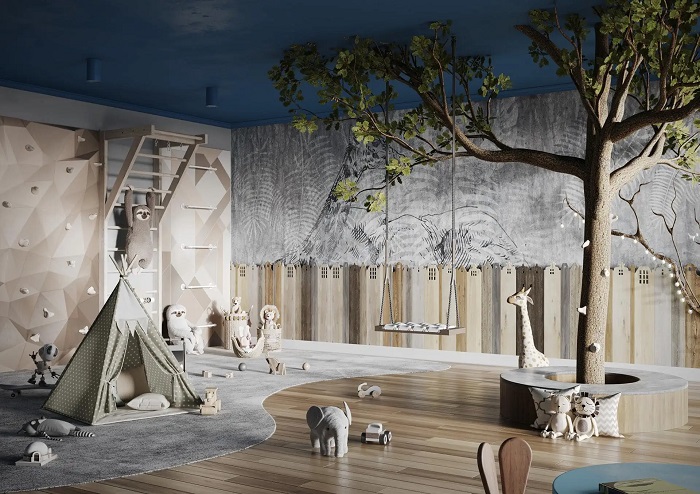
Every building communicates, but very few truly converse. Most structures operate as purely functional containers, assembled to meet square-footage metrics, satisfy municipal zoning envelopes, and shelter their occupants from the elements. Yet occasionally, crossing a threshold produces an unmistakable physiological response: shoulders drop, footsteps slow, or the eyes naturally lift toward a distant light source. That reaction is rarely accidental. It is the deliberate consequence of architectural storytelling, an intentional design approach that transforms physical volume into a meaningful human journey.
Architecture at its most compelling is far more than applied structural engineering or decorative surface cladding. It is a spatial narrative rendered in physical form, where circulation acts as plot, materials convey tone, and daylight establishes emotional tempo. When architects design with narrative clarity, they elevate ordinary shelters into enduring spatial experiences that resonate long after an occupant steps back outside.
Spatial Choreography: Crafting the Physical Narrative
Every great story requires tension, progression, and release. While a novelist directs attention through the sequence of sentences on a page, an architect orchestrates human movement through three-dimensional space. This discipline, known as spatial choreography, dictates the sequence in which an occupant encounters an environment.
The classic dynamic of compression and release remains one of the most powerful narrative tools in design. By guiding people through a low-ceilinged, dimly lit foyer before opening into a soaring, daylight-drenched central hall, an architect creates an immediate surge of awe. The spaciousness feels dramatically grander precisely because of the physical constriction that preceded it. Through geometry alone, the building stimulates physical anticipation and emotional arrival.
Circulation paths also determine narrative perspective. A straight, axial corridor establishes clarity, authority, and ceremonial order, a technique long favored in civic monuments and judicial institutions. In contrast, a meandering, non-linear pathway introduces mystery, slow discovery, and informal intimacy. By concealing destinations around subtle bends and framing specific exterior vistas, the structure invites the visitor to become an active participant in unfolding the narrative, one step at a time.
Materiality as Dialogue and Tectonic Honesty
If spatial choreography establishes the plot of a building, materiality gives it a distinctive voice. Every physical substance carries cultural weight, thermal qualities, acoustic signatures, and tactile associations. A floor of cold, polished granite projects formal detachment and institutional permanence, while wide-plank white oak radiates warmth, organic vulnerability, and quiet domestic comfort.
The Tactile Dialogue of Raw and Refined
Narrative richness in architecture rarely comes from uniform surfaces. The most memorable spaces generate friction by juxtaposing contrasting tactile elements. Placing board-formed concrete—complete with the rough grain of its wooden forms and structural tie holes—alongside smooth, hand-rubbed brass hardware creates an intuitive contrast between raw industrial force and human-scale craftsmanship.
When a visitor touches that hardware to open a door, the contrast between the cool, textured wall and the warm, satin-finished metal offers an immediate sensory anchor. It communicates that while the building is robust enough to endure the elements, it was built with the human hand in mind.
Light, Shadow, and the Dimension of Time
No material tells an architectural story quite like natural light. Unlike static stone or drywall, sunlight is constantly in flux, shifting in angle, intensity, and color across the day and throughout the seasons.
By designing deep-set light wells, delicate louvers, and high clerestory windows, an architect turns daylight into an active narrator. Morning sunlight sliding across a textured plaster wall marks the passage of hours, tethering interior life to the rhythms of the natural world. Shadow holds equal narrative power. Deliberate pockets of darkness invite rest, quiet conversation, and introspection, while sudden shafts of illumination draw the eye toward architectural focal points, turning simple corridors into places of discovery.
The Spirit of Place and Cultural Continuity
Architectural storytelling falters whenever a structure is dropped onto a site without regard for its environmental, geological, and historical context. A generic steel-and-glass tower that looks identical whether planted in Chicago, Dubai, or Singapore is a building stripped of memory.
Meaningful architecture honors the genius loci, or the unique spirit of the place. This involves studying regional topography, native plant palettes, local weather patterns, and the cultural history of the surrounding neighborhood. It means sourcing regional stone that mirrors nearby cliff faces or designing roof pitches that echo traditional vernacular responses to heavy snowfall.
This narrative sensitivity becomes particularly vivid in adaptive reuse projects. When an abandoned brick textile mill is remade into a community art center, leaving exposed iron trusses and oil-stained timber columns intact honors the human labor of previous generations. The architecture becomes an authentic historical bridge, allowing modern occupants to feel the weight and purpose of the past while participating in the contemporary life of the building.
Emotional Resonance in Daily Human Rituals
It is tempting to associate architectural storytelling strictly with monumental civic spaces, memorials, or avant-garde museums. Yet its most profound impact often occurs within the quiet routines of daily residential and commercial life: the family home, the neighborhood school, or the outpatient health clinic.
In these everyday settings, architectural storytelling validates human dignity by accommodating personal rituals with care. A low window seat nestled against an east-facing wall frames the morning ritual of a quiet cup of coffee. A wide, sunlit staircase in a public school encourages spontaneous encounters and casual conversation between classes. A clinic designed around tranquil interior courtyards softens the clinical anxiety of waiting for test results.
When a space is designed around human emotional needs, it conveys an unmistakable message of hospitality. It reassures the occupant that their comfort, psychological safety, and focus have been anticipated from the very first sketch.
Structures inevitably outlive their creators, their developers, and their original tenants. Decades after construction equipment departs and technical blueprints are archived, the sensory memory of a space remains. Architecture that embraces storytelling does not settle for merely occupying geographic space; it shapes human feeling, sparks imagination, and turns ordinary moments into lasting experiences.